
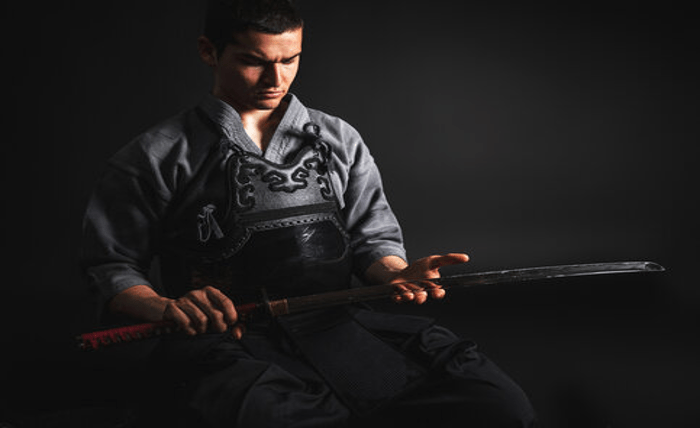
Picture a blacksmith at work: the air is thick with smoke, metal hisses as it hits the water, and the blade coming to life on the anvil is made of carbon steel. For more than a thousand years, this same mix of iron and carbon has built famous swords, from Japan’s graceful katana to Europe’s heavy longsword. Yet, with new materials hitting the scene every year, a common question pops up: is carbon steel still number one?
In the sections that follow, we’ll stack carbon steel side-by-side with stainless, alloys, and even some high-tech composites. You’ll see the science behind the scenes—how each material behaves under heat, impact, and everyday use—before we land on a clear answer about carbon steel’s crown.
What Is It About Carbon Steel That Sticks?
Carbon steel is really just iron dressed up with a sprinkle of carbon, usually between 0.5% and 1.5%. That tiny boost might sound boring, yet it rewrites the rules for how the metal behaves. When the carbon atoms slip into iron’s microscopic lattice, they toughen the structure, giving blades killer hardness and the power to hold a razor edge long after you’ve sheathed them.
The real magic with sword steel happens when the blade gets its heat treatment. By carefully ramping the metal up to just the right temperature and then cooling it in a specific way, blacksmiths can change the steel’s inner structure. This paired process, called quenching and tempering, lets them dial in exactly how hard the edge will be while still keeping the rest of the blade tough. The end result is a sword that can slice like a paper cutter yet stand up to the huge stresses of battle.
Traditional sword steels such as 1045, 1060, 1075, and 1095 are named using a simple numbering scheme that tells you how much carbon each grade contains. In general, the higher the number, the more carbon—and the harder and sharper the edge can be when heat treatment is done right. The trade-off is that those harder steels can become brittle if the heat cycle is careless, so veteran smiths pick the number that best matches the sword’s job and the feel the customer wants.
Even before the blade hits the forge, the actual hammering and folding steps help shape the steel’s character. Heating the bar over and over, then striking it with a hammer or drawing it out on an anvil, breaks up unwanted lumps and helps spread carbon evenly. This old-school method of refinement gives the finished sword better toughness and spring than many modern cast steels can muster.
Legendary Blades Forged from Carbon Steel
When we think of famous swords, the katana swords almost always comes to mind first. This iconic weapon owes much of its reputation to the way it is made from carbon steel. For centuries, Japanese swordsmiths have used a special technique called differential hardening. By carefully cooling different parts of the blade at different rates, they create an ultra-hard edge that can slice cleanly through armor and a softer, more flexible spine that can absorb shock without shattering. The wavy line known as hamon is the visible proof of this two-tone hardness.
Katana’s slightly shorter partner, the wakizashi, shows just how adaptable carbon steel can be across varying lengths. Usually between 12 and 24 inches long, a wakizashi blade still needs the same level of expert forging that its longer sibling requires. Its reduced size makes it perfect for fighting in tight rooms or on horseback, reminding us that the advantages of good steel scale smoothly from short blades to long ones.
The artistry behind these swords also turned carbon steel into a canvas for creativity. Legendary makers like Masamune sword and Muramasa spent months on a single piece, repeating heating, hammering and quenching cycles until everything felt just right. Such patience forced every impurity out of the metal, resulting in blades that stayed razor-sharp and surprisingly pliable for hundreds of years.
When we think about famous blades, Japanese katanas are usually the first that come to mind. Yet they weren’t the only swords that showed just how good carbon steel can be. European longswords, Viking áxen, and even legendary Damascus blades all used carbon steel because it offered qualities no other material could match. The many different shapes and styles that popped up around the world prove that carbon steel’s benefits aren’t tied to one culture or method of forging.
Carbon Steel vs. Stainless Steel: The Head-to-Head Match
Stainless steel arrived on the scene in the 1900s as a fancy, rust-proof cousin to classic carbon steel. Thanks to the chromium stuffed inside it, usually between 13 and 18 percent, stainless steel can sit in the rain and come out gleaming. But that same shiny coating changes the metal at a very basic level and robs the blade of some of the traits that swordsmen care about most.
Hardness is job No. 1 for a good sword, and here carbon steel still has the upper hand. Most stainless grades top out around 58 to 60 on the Rockwell Scale, while properly tempered carbon can climb to 62 or even 65. That extra hardness means the edge of a carbon steel blade will stay sharper for longer, whether you’re slicing through rope or parrying an attack.
Flexibility is just as important. A sword needs to absorb a blow and then spring back, not snap like a matchstick. Carbon steel bends in that sweet spot between tough and springy, while highly hardened stainless can become brittle and chip. For real-world use—whether in practice, in a competition, or in a pinch—carbon steel wins hands down.
When you look at how different types of steel are put together on a microscopic level, it’s easy to see why carbon steel is so popular for knives and swords. Its tiny grain structure can be adjusted through heat treatment, meaning blades can end up both tough and flexible enough to take a beating. In contrast, the chromium carbides found in stainless steel give it great rust protection, but they also create small stress points that may cause the blade to crack or chip when put under a lot of pressure.
Caring for the blades is another area where the two steels differ. Stainless steel usually looks after itself with only the occasional wipe-down, while carbon steel needs a bit more love—think regular oiling and smart storage. That said, the upkeep isn’t as time-consuming or hard as some people make it sound. A quick coat of oil and hanging the blade in a dry place will keep it free of rust and still allow it to slice like a dream.
Carbon Steel and Modern Alloy Steels
Today’s metallurgy labs have cooked up a variety of alloy steels that try to take carbon steel’s best traits and make them even better. In the world of sword making, 5160 spring steel, L6 tool steel, and a range of high-performance stainless options often top the list. Each one brings something unique to the table, but none are perfect, so it’s important to know what advantages and trade-offs you’re looking at.
Take 5160, for example. By adding chromium and a bit of silicon, makers boost the steel’s toughness and ability to handle hard hits, making it a favorite for swords built to survive heavy use, like in chops or sparring drills. The catch is that those alloying elements dial back the steel’s potential to reach the razor-sharp hardness that high-carbon varieties can achieve, so you might give up a little edge-retention for extra ruggedness.
Tool steels like L6 and A2 are favorites in many factories because they combine toughness and wear resistance thanks to a thoughtful mix of extra alloys. While these steels do wonders on assembly lines, their heat-treatment recipes are trickier than those for simpler metals. That same recipe complexity tends to blur the beautiful hamon lines that traditional sword makers love to show off, so many bladesmiths shy away from them.
Powder metallurgy steels are truly the latest chapter in alloy science. Because the metal starts as tiny powder particles that fuse together, sword makers get very even grain size and predictable performance. The trade-off is price—these high-tech steels usually cost a lot more than carbon. In the hands of a skilled bladesmith, however, a well-forged carbon blade can match most of the gains, making the price tag hard to defend on the workbench.
The real reason old-fashioned carbon steel never goes out of style is how eager it is to change on the anvil. When a master smith heats, quenches, and tempers, the metal practically follows directions, allowing him or her to program different hardness zones anywhere along the blade. Modern alloys come out of the furnace with decent consistency, yet they seldom bend to the artist’s will with the same flexibility.
Edge Retention: Carbon Steel’s Crown Jewel
Among its many virtues, carbon steel is best known for keeping a hair-whittling edge long after other blades have lost theirs. That sustained sharpness happens because the metal can soak up high hardness without cracking, letting it sail through cutting tests where softer steels would fold. When heat-treated right, carbon responds with a stingy bite—perfect for slicing, chopping, and whatever else a sword might face.
When it comes to sharpening, carbon steel has a clear edge over most other blade materials. Grab a good whetstone and you’ll see how quickly the metal forms a keen bite. Knicks and rough spots vanish in just a few passes, often leaving the edge sharper than when it first left the shop. Because of this easy repairability, owners can keep carbon knives and tools working well for twenty years or more with just a little routine care.