
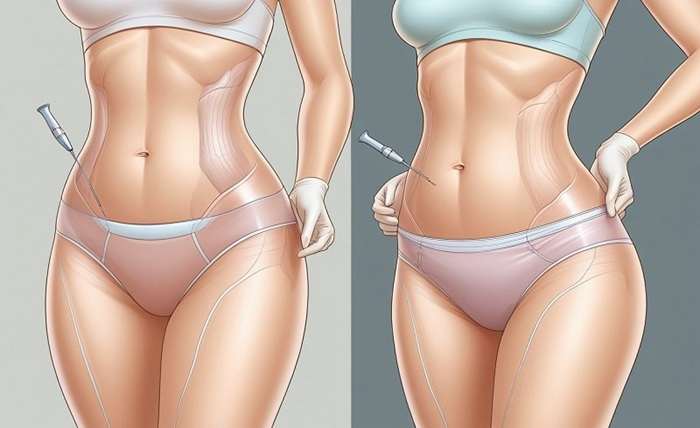
When it comes to body contouring procedures, liposuction and tummy tucks remain among the most popular options for those seeking to improve their abdominal appearance. Both procedures target excess fat and skin in the midsection, but they work in fundamentally different ways to achieve distinct results.
Liposuction is best for individuals with good skin elasticity who need targeted fat removal, while a tummy tuck is more appropriate for those with excess skin, separated abdominal muscles, or significant sagging after pregnancy or weight loss. The right choice depends largely on your specific body concerns, recovery preferences, and aesthetic goals.
Understanding these key differences can help patients make informed decisions about which procedure aligns with their expectations. A consultation with a board-certified plastic surgeon provides personalized guidance based on individual anatomy and desired outcomes.
Understanding Liposuction and Tummy Tuck Procedures
Both liposuction and tummy tuck procedures target the abdominal area but differ significantly in technique, recovery, and results. Each procedure serves different cosmetic goals and is suitable for specific body types and concerns.
What Is Liposuction?
Liposuction is a surgical fat removal procedure that targets stubborn fat deposits resistant to diet and exercise. During this cosmetic procedure, a board-certified plastic surgeon makes small incisions in the skin and inserts a thin tube called a cannula.
The surgeon then suctions out excess fat cells from specific areas like the abdomen, flanks, thighs, or arms. Modern liposuction techniques include tumescent liposuction, ultrasound-assisted, and laser-assisted methods.
This procedure is ideal for patients who have good skin elasticity and are near their ideal weight. Liposuction does not address loose skin or repair abdominal muscles.
Recovery typically takes 1-2 weeks for initial healing, though swelling may persist longer. Results become visible as swelling subsides, revealing a more contoured body shape.
What Is a Tummy Tuck?
A tummy tuck, or abdominoplasty, is a more extensive surgical procedure designed to reshape the entire abdominal region. This surgery removes excess skin and fat while tightening weakened or separated abdominal muscles.
During a tummy tuck, the surgeon makes a horizontal incision between the hip bones, removes excess skin and fat, and repairs the underlying muscle structure. The remaining skin is then pulled down and sutured in place.
Several variations exist, including full abdominoplasty, mini tummy tuck, and extended tummy tuck. A mini tummy tuck addresses only the lower abdomen with a smaller incision and less recovery time.
Tummy tucks are particularly beneficial for women after pregnancy or individuals who have lost significant weight. Recovery takes 2-6 weeks, with final results visible after several months as swelling resolves.
Differences Between Liposuction and Tummy Tuck
The primary difference lies in what each procedure addresses. Liposuction only removes fat deposits, while a tummy tuck removes excess skin, fat, and tightens muscles.
Liposuction involves smaller incisions and shorter recovery times (1-2 weeks) compared to tummy tucks (2-6 weeks). The scars from liposuction are minimal, whereas tummy tuck surgery leaves a longer horizontal scar.
Candidates for these procedures differ. Ideal liposuction candidates have good skin elasticity and localized fat deposits. Tummy tuck candidates typically have loose skin, weakened abdominal muscles, or significant stretch marks.
Cost is another factor to consider. According to the American Board of Plastic Surgery statistics, liposuction generally costs less than a full abdominoplasty. However, prices vary based on geographic location and surgeon expertise.
Some patients benefit from combining both procedures for comprehensive abdominal contouring. A consultation with a qualified plastic surgeon helps determine the most appropriate approach.
Choosing the Right Procedure: Factors, Results, and Recovery
Selecting between liposuction and tummy tuck requires careful consideration of your body goals, medical history, and recovery capabilities. Each procedure targets different concerns and delivers distinct outcomes.
Ideal Candidates for Each Procedure
Liposuction works best for individuals at or near their normal body weight with good skin elasticity and localized fat deposits. Candidates typically have stubborn fat in specific body areas that resist diet and exercise.
The procedure isn’t designed for significant weight loss or treating excess skin. Ideal candidates maintain stable body weight and have realistic expectations about fat removal capabilities.
Tummy tuck (abdominoplasty) suits those with excess abdominal skin, weakened abdominal muscles, or significant sagging following pregnancy or weight loss. It’s particularly effective for addressing stretch marks below the navel and repairing separated abdominal muscles after childbirth.
Candidates should be non-smokers at stable weight with no plans for future pregnancies. Older patients can benefit from tummy tucks, but proper skin elasticity remains important for optimal results.
Results and Body Contouring Goals
Liposuction provides targeted fat removal, creating smoother contours in areas like the abdomen, thighs, hips, and arms. Results appear gradually as swelling subsides, with final outcomes visible after 3-6 months.
The procedure permanently removes fat cells, but remaining cells can still expand with weight gain. Maintaining results requires consistent healthy habits and weight management.
Tummy tucks deliver more dramatic abdominal contouring by addressing three concerns: excess skin, fat deposits, and muscle laxity. The procedure creates a flatter, firmer abdominal contour and can significantly improve the lower abdomen’s appearance.
Results include enhanced waistline definition, reduced stretch marks, and repaired abdominal muscles. The dramatic transformation often boosts confidence and improves clothing fit substantially.
|
Procedure |
Targets |
Results |
Permanence |
|
Liposuction |
Localized fat |
Contoured silhouette |
Permanent fat removal |
|
Tummy Tuck |
Excess skin, fat, muscle laxity |
Flatter, firmer abdomen |
Long-lasting with maintenance |
Risks, Complications, and Recovery Process
Liposuction involves shorter recovery time, typically 1-2 weeks before returning to light activities. Most swelling resolves within 4-6 weeks, though subtle swelling may persist for months.
Common side effects include temporary bruising, swelling, and discomfort. Serious complications are rare but include contour irregularities, fluid accumulation, and numbness.
Tummy tuck recovery is more extensive, requiring 2-4 weeks before resuming normal activities and 4-6 weeks before exercise. The procedure involves more significant discomfort and restricted movement initially.
Potential risks include poor wound healing, fluid accumulation, and tissue necrosis. Scarring is more prominent than with liposuction, though it’s placed low on the abdomen to conceal under clothing and swimwear.
Both procedures use general anesthesia, which carries its own risks. Recovery milestones vary based on the procedure’s invasiveness and individual healing responses.
Consultation and Making an Informed Decision
A thorough consultation with a board-certified cosmetic surgeon is essential for determining the appropriate procedure. During this meeting, the surgeon will evaluate your abdominal contour, skin elasticity, fat distribution, and muscle tone.
Be prepared to discuss your medical history, including previous surgeries, medications, and conditions. Bring a list of questions about potential risks, recovery expectations, and realistic outcomes.
Good candidates maintain realistic expectations and understand the limitations of cosmetic surgery. Mental health plays a crucial role—procedures should enhance existing confidence rather than solve emotional issues.
Cost considerations vary significantly between procedures, with tummy tucks typically more expensive due to their complexity. Insurance rarely covers either procedure unless medically necessary, so discuss financing options during consultation.
The right procedure ultimately depends on your specific body concerns, desired results, and willingness to undergo recovery. Some patients may benefit from combining procedures for comprehensive body contouring.