
People see tons of numbers connected to SIM cards now. And honestly?
It gets confusing fast.
You might see:
- your mobile number
- a SIM serial number
- ICCID numbers
- carrier account numbers
- activation codes
Then suddenly you’re wondering:
“Wait… which one is actually my SIM card number?”
Lots of people ask that.
Especially in 2026 where SIM cards connect to almost everything:
- banking apps
- digital wallets
- OTP verification
- social media
- online shopping
- work accounts
Understanding your SIM card number matters more than before.
And the good news?
Once someone explains it properly, it’s actually pretty simple.
So let’s break everything down.
What Is a SIM Card Number?
This is where people get mixed up.
Most users think their phone number is the SIM card number.
But technically?
They’re different things.
A SIM card actually contains several important numbers connected to your mobile account.
Your Mobile Number
This is the number people call or text.
Like:
- personal phone number
- WhatsApp number
- banking verification number
This is the number most people know.
SIM Serial Number
The SIM itself also has a unique serial number.
This number identifies the physical SIM card itself.
It’s often called:
- ICCID
- SIM serial number
- SIM identifier
Why SIM Card Numbers Matter
Years ago, SIM cards mostly handled calls.
Now they connect to:
- banking systems
- online verification
- mobile wallets
- social media security
- account recovery systems
That’s why SIM information became much more important.
What Is ICCID?
ICCID stands for:
Integrated Circuit Card Identifier.
Yeah, sounds super technical.
But really?
It’s just the SIM card’s unique identification number.
No two SIM cards share the same ICCID.
What Does a SIM Number Look Like?
SIM serial numbers are usually very long.
Something like:
- 894500xxxxxxxxxxxx
- 891234xxxxxxxxxxxx
Most users never memorize them because they’re mainly used for technical and carrier purposes.
Where to Find Your SIM Card Number
There are several easy ways.
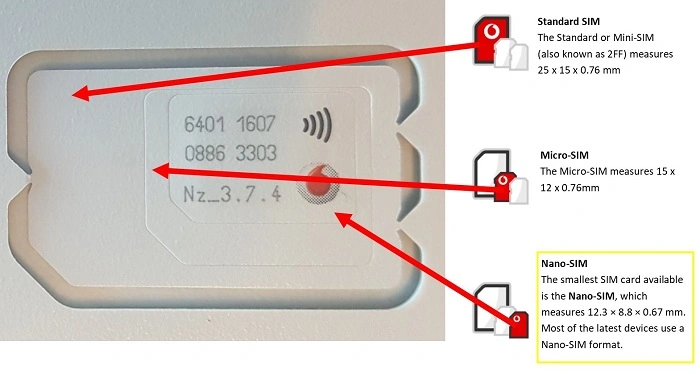
Check the Physical SIM Card
Sometimes the ICCID is printed directly on the SIM itself.
Usually in tiny text though.
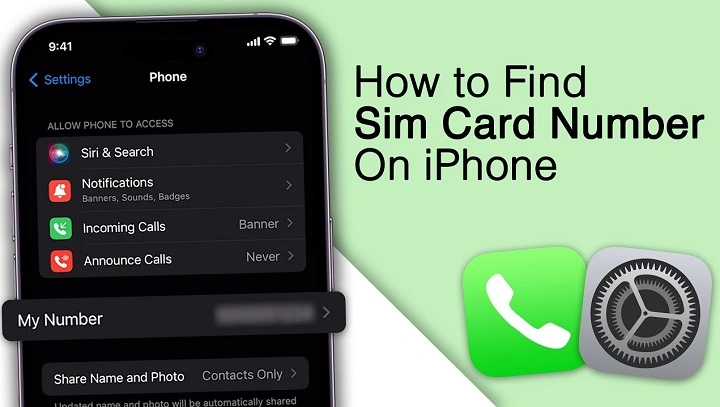
Check Phone Settings
Modern phones usually display SIM details inside settings.
On many devices:
- open Settings
- go to About Phone
- tap SIM Status or SIM Information
You may see:
- mobile number
- ICCID
- carrier name
- network details
Also Read: SIM Not Provisioned?
Check SIM Packaging
The original SIM card holder often contains:
- ICCID
- activation details
- QR codes
- PUK codes
Use Carrier Apps
Many telecom apps now show SIM information directly.
Difference Between SIM Number and Phone Number
This confuses people constantly.
Here’s the simple version.
| Type | Purpose |
| Phone number | Used for calls and texts |
| SIM serial number | Identifies the actual SIM card |
Your phone number can sometimes move to another SIM card.
But the ICCID belongs to the SIM itself.
Why Carriers Use SIM Numbers
Telecom companies use SIM identifiers for:
- activation
- account verification
- fraud prevention
- SIM replacement
- troubleshooting
SIM Numbers and Mobile Banking
This became extremely important lately.
Banking apps rely heavily on phone numbers for:
- OTP verification
- login authentication
- recovery systems
That’s why SIM security matters more now.
What Happens During SIM Replacement?
When carriers replace a SIM:
- your phone number usually stays the same
- the ICCID changes because the physical SIM changed
Why SIM Numbers Matter for eSIM
eSIMs still have digital identifiers too.
Even without plastic cards, eSIM systems still use:
- carrier profiles
- digital ICCIDs
- account authentication
Can Someone Use Your SIM Number Against You?
Normally, ICCID numbers alone aren’t enough to fully steal accounts.
But scammers may combine SIM information with:
- phishing
- OTP theft
- social engineering
That’s why protecting SIM-related information still matters.
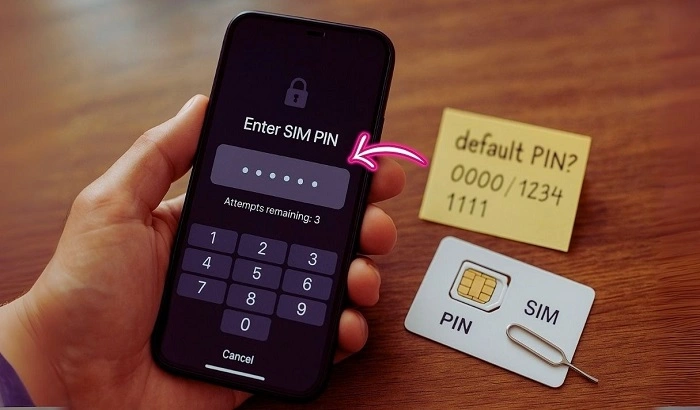
What Is a PUK Code?
Many SIM packages also include a PUK code.
PUK stands for:
Personal Unlocking Key.
This helps unlock SIM cards after too many wrong PIN attempts.
SIM PIN vs SIM Number
Different things completely.
SIM PIN
Protects the SIM card from unauthorized use.
SIM Number
Identifies the SIM itself.
Why SIM Card Numbers Became More Important
Phone numbers now connect to nearly every digital system.
Like:
- banking
- email recovery
- work logins
- social media
- government services
That’s why carriers strengthened SIM security heavily in 2026.
SIM Card Numbers and SIM Registration
Many countries now require SIM registration using:
- government IDs
- selfies
- address verification
The SIM serial number helps carriers connect:
- the SIM
- your account
- your identity verification
What Happens if You Lose Your SIM?
If your SIM disappears:
- contact your carrier immediately
- block the SIM
- protect banking apps
- request SIM replacement if needed
The carrier can deactivate the old ICCID and issue a new one.
Can SIM Numbers Be Tracked?
Carriers can identify SIM activity through network systems.
But private users normally cannot legally track SIM owners directly.
Why People Confuse SIM Numbers With IMEI
This happens constantly too.
SIM Number
Belongs to the SIM card.
IMEI Number
Belongs to the phone hardware itself.
Your phone and SIM each have separate identifiers.
How to Check Your IMEI
Usually by dialing:
- *#06#
Your phone then displays the IMEI number.
What Happens if a SIM Expires?
Prepaid SIMs sometimes expire after long inactivity.
Usually when:
- no reload happens
- no calls are made
- no texts are sent
The ICCID becomes inactive permanently eventually.
Common SIM Card Problems
Users often face:
- SIM not detected
- SIM not provisioned
- no network
- activation delays
- damaged SIM chips
Tips to Keep Your SIM Safe
Some simple habits help a lot.
Use SIM PIN Protection
Extra security layer.
Avoid Sharing OTP Codes
Very important.
Keep SIM Packaging Temporarily
Useful for recovery information.
Use Official Telecom Stores
Safer than unofficial sellers.
Contact Carriers Quickly if the SIM Goes Missing
Fast action matters.
Why eSIM Is Changing SIM Technology
eSIM systems are replacing physical SIM cards slowly.
Benefits include:
- no plastic cards
- easier carrier switching
- digital activation
- travel convenience
But digital SIM profiles still use secure identifiers internally.
Quick Summary
| Term | Meaning |
| Phone number | Number used for calls |
| ICCID | SIM serial number |
| IMEI | Phone hardware identifier |
| PUK code | SIM unlock code |
| eSIM | Digital SIM system |
| SIM PIN | SIM security lock |
FAQs About SIM Card Number
Is my phone number the same as my SIM card number?
No, they are different.
What is ICCID?
It’s the SIM card’s unique serial number.
Where can I find my SIM number?
Usually in phone settings or on the SIM packaging.
Can I keep my number after SIM replacement?
Usually yes.
Is ICCID important?
Yes for activation and carrier verification.
What’s the difference between ICCID and IMEI?
ICCID identifies the SIM. IMEI identifies the phone.
Can eSIMs have SIM numbers too?
Yes, digitally.
Should I protect my SIM information?
Absolutely.
Honestly, SIM card numbers became much more important than most people realize. Years ago, they mostly handled basic mobile service.
Now SIM systems connect to:
- banking
- digital identity
- online security
- account recovery
- authentication systems
That’s why understanding the difference between:
- phone numbers
- SIM serial numbers
- ICCID
- IMEI
…actually matters a lot more in 2026.
And thankfully, once someone explains it properly, the whole thing becomes way less confusing.