
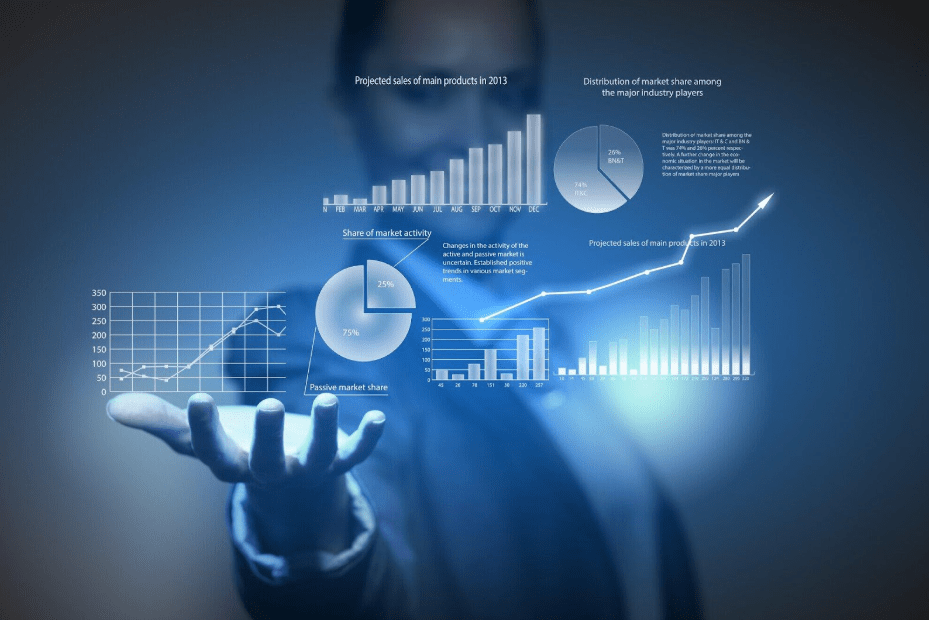
Imagine walking into a venue where every detail feels made for you. The lighting shifts as the audience arrives. The sound system knows how many people are in the room.
Even the refreshments adjust based on real-time preferences. This isn’t a dream-it’s the power of data at work.
In today’s fast-paced world, event planning can no longer rely on guesswork. Success depends on knowing your audience, measuring impact, and responding quickly. That’s where a data-driven strategy comes in-and when combined with modular event solutions, you unlock flexibility, speed, and precision like never before.
Ready to build smarter, more responsive events? Keep reading to explore how modular design and real-time insights work hand in hand to create unforgettable experiences.
Making Sense of the Numbers
Events generate vast amounts of data, far exceeding most people’s expectations. Attendee counts, dwell times, click rates, engagement patterns, social mentions-all of these tell a story. But data only becomes useful when it’s collected clearly and turned into action.
This is where innovative tools and cutting-edge software step in. They track user journeys, record traffic flow, and gather feedback live. You no longer need to wait until after an event to see what worked. You can adjust while it’s happening.
For event planners, this means being proactive, not reactive. Want to know if a speaker is connecting with the audience? Data will tell you.
Wondering which booth has the most visitors? A quick dashboard view answers. With this information, every choice you make becomes sharper.
The Flexibility of Modular Design
Now let’s talk about structure. Traditional events were rigid. You booked a space, filled it, and hoped for the best, but that approach doesn’t suit a world where preferences shift daily.
Modular solutions offer flexibility by design. They let you build your event in parts-movable walls, expandable booths, digital displays that update in seconds. Each module can be adjusted to fit the data you collect.
If you notice more foot traffic in one area, you can expand it. If attendees respond better to digital content, screens can replace static boards. You don’t need to start from scratch. You just move, swap, or enhance the modules.
The result? Events that evolve in real time, matching the pace and interest of your audience. It’s agile planning at its best.
From Insight to Action
The biggest advantage of merging data and modularity is speed. You don’t just learn what’s happening-you act on it. And the faster you respond, the more connected your audience feels.
This also streamlines your backend systems. With modern platforms, your planning, logistics, and execution become part of a single ecosystem. For teams handling complex setups across cities or countries, they can simply click for logistics and shipping services that tie seamlessly into the event’s modular layout.
These tools reduce waste, speed up delivery, and give you full control over how your event looks and flows.
The Future Moves with You
Great events used to be about perfect planning. Now, they’re about perfectly adapted.
With data guiding your decisions and modular solutions giving you room to move, you gain the power to shape experiences as they happen. It’s not just smarter-it’s more human.
So the next time you plan an event, don’t just ask how it will look. Ask how it will grow. And let data and design lead the way.
For more on this content, visit the rest of our blog!