
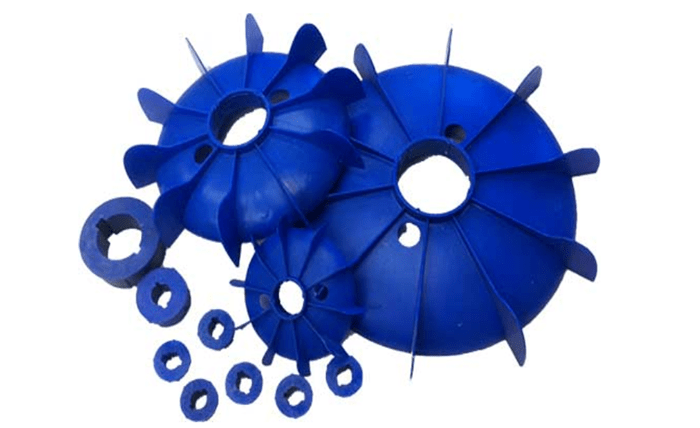
The cooling management systems in energy storage systems (ESS) are remarkably rapid in the development industry. Keeping cooling systems optimally balanced with the rest of the systems is the crux of the matter for ESS that is gaining popularity as an advanced energy solution. One of the main components that helps maintain temperature within defined limits is the cooling fan. This article helps to comprehend the functionality and significance of cooling fans in energy storage systems and what criteria a B2B business should consider when determining fans for such systems.
Importance of Cooling Fans
Overheating is the end consequence of failure of cooling fan which is the greatest threat to performance efficiency control of an ESS. Not efficiently controlled charging and discharging of ESS batteries will lead to performance degradation and ultimately, catastrophic failure. A cooling fan alone is not able to handle so much heat and hence precisely regulate temperature in a manner that the equipment gets saved from demolition while operating. This makes sure to keep the equipment safe while improving efficiency.
Cooling fan importance is apparent in high scale energy storage sites where power is being stored and managed in large magnitude.
Sustaining efficient levels of cooling is crucial as the demand for energy increases since it helps in enhancing the performance of lithium-ion and lead-acid batteries while also protecting the system from overheating.
Types of Cooling Systems
There are two types of cooling systems in energy systems: air cooled and liquid cooled systems. Each system serves a specific purpose and has benefits that set it apart from the other system which makes system selection an issue of environmental conditions, power density, size and application.
Cooling of smaller batteries as well as minimal energy storage facilities is achieved in air cooled systems through fans that draw ambient air. Unfortunately, air cooled systems are not efficient for dense, high powered batteries because air circulation alone does not dissipate heat fast enough.
For large scale energy storage systems, liquid cooled systems perform best because heat management is profoundly enhanced for lithium ion batteries with a liquid coolant. However, these systems are… as expected, complex, expensive and difficult to maintain. Liquid cooled systems also frequently use refrigerants instead of water to ensure better heat absorption.
Is air cooled or liquid cooled better by air or liquid? As with most cases, the answer hinges on the specific requirements of whether it can operate using just air for smaller systems or liquid for high performance larger installations.
Key Benefits of Cooling Fans
- Prevent Overheating: The primary role of cooling fans is to prevent battery overheating. Excess heat can lead to thermal runaway, lowered efficiency, and ultimately damage cells beyond repair.
- Extend Battery Life: Creating optimal temperature range through effective cooling and maximizing battery cycles without compromising system energy storage ensure minimum aging thus prolonging lifespan. A stage that prevents evaporative potential to increase resource aging.
- Enhance Safety: The worst risk with batteries that are overheated is an explosion or even fire. Proper cooling ensures risks are under control, ensuring reliable performance of ESS.
- Improve Efficiency: Protecting the system from overheating ensures that the desired operating conditions are met, which ultimately enhances efficiency across the energy storage system with increased output performance.
- Cost Effectiveness: They are cheaper to install and maintain, enabling businesses suffering financial restraints to install fans instead of other cooling systems, as the other systems would not make sense financially.
Selecting a Cooling Fan Supplier
When choosing a motor cooling fan supplier B2B companies should take into account the company’s reputation, reliability, and technical experience. A good supplier will not only sell fans but will also provide adequate assistance to ensure that the cooling systems meet the particular requirements of your energy storage application.
Besides identifying a reliable supplier, it is important to consider other requirements such as fan effectiveness, strength, noise tolerance, and overall compatibility with the energy storage system. An effective motor cooling fan ensures the cooling system operates at high efficiency while keeping the maintenance costs to a minimum over time.
Efficient Installation and Servicing
Together with optimal parameters and characteristics of cooling fans, poor installation and service practices will lead to system failures. For B2B companies that deal with large energy storage systems, it is important to have a well defined installation process so that the energy storage fans position and settings enhance the overall efficiency of the systems. Specific parameters such as fan placement should allow for smooth airflow, and fans should have the appropriate ESS air control capabilities.
Servicing the fans is crucial to ensure a reliable system. Servicing includes cleaning the fans, checking for damage, and monitoring the operational parameters of the fans.
Provided that there is proper maintenance, cooling fans should work effectively, and this will maintain constant cooling for the energy storage system. Parsons Research Facility is currently focused on the future requirements of cooling technology. They are trying out every optimization that can be done on an energy storage system.
Future Trends in Cooling Technology
In the current times and on-the-go world, the expectations placed on cooling solutions tend to also shift and change. With the increasing use of Electric Driven Vehicles, renewable energy resources, and massive systems of battery storage, the advancement for cooling technologies is on the rise. Investigators are working on various new materials like phase change materials (PCMs) which can capture and slowly release a considerable amount of heat which boosts the performance of the system.
AI can also modify parts of a unit and utilize them to integrate cooling. The ideal area would be with regards to the cooling systems. By AI optimizing the use of cooling fans, real time data can be used to determine the appropriate speed of the fans effectiveness in desired conditions.
It is important to understand that a safe and reliable unit operation is essential for practically every area of the energy storage industry in order to keep up with the growing energy needs of the world. Hence, cooling fans are imperative because controlling high temperatures increases the effectiveness of the overall system.
Both types of cooling systems, air-cooled or liquid-cooled, require selection of the most appropriate cooling fan supplier along with proper practices for installation and maintenance from your end to get the best out of your energy storage apparatus.
With the advancement of the industry, cooling solutions will certainly get better and allow companies to better their ESS. Keeping up with the recent changes and improvements in the cooling solutions industry will secure the efficiency and reliability of your energy storage systems for the years to come.