
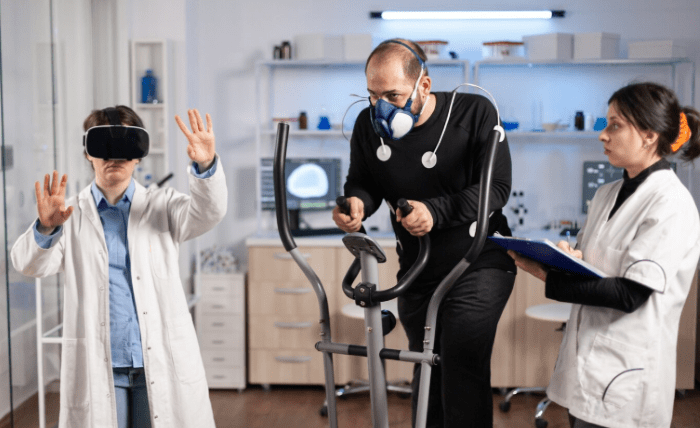

The world of medicine is rapidly changing and training future healthcare workers must keep up. Medical simulators play a crucial role in providing safe, hands-on learning opportunities. They help students build skills, boost confidence, and avoid mistakes before working with real patients.
These tools make learning more effective by giving students the chance to repeat tasks and learn from errors. This training develops better and more prepared professionals. Read on to discover how simulators are transforming medical education.
What is Simulator Technology?
Simulator technology uses tools and software to copy real medical situations. It helps students improve their skills and make better decisions in a safe space. They can learn about the body, practice steps, and prepare for emergencies through hands-on learning.
Modern simulators act like real patients and are easy to use. Students can safely practice tasks like giving medicine with medication administration simulation. This helps them feel more ready and confident before working with real patients.
Benefits of Utilizing Simulator Technology in Medical Education
Simulator technology gives many helpful benefits in medical training. It lets students practice safely without harming real patients. Realistic scenarios also help them get ready for emergencies and build confidence.
Students get instant feedback, so they can fix mistakes and improve faster. They can repeat the same tasks to get better and remember the steps. This helps them build strong skills for real medical situations.
Real-World Applications in Medical Schools
Many medical schools now use simulator technology in their training. In cities such as San Francisco and Chicago, schools have established labs that simulate real emergency rooms. These labs help students practice handling tough medical emergencies safely.
In these labs, nursing and medical students often work together. This teamwork helps them learn how to communicate and solve problems as a group. It also shows them how real healthcare teams work.
By training this way, students learn to stay calm and make good choices. They also get used to the different jobs in patient care. This hands-on training equips them for actual hospital environments.
Challenges and Considerations
Integrating simulator technology into medical training presents challenges. A significant issue is the high cost of the equipment and its maintenance. Schools also need to pay for updates and staff training.
Instructors must acquire the skills to utilize simulators effectively. Effective training and a clear strategy enable them to enhance student learning. This makes sure the technology is used in the best way possible.
Future Trends in Simulator Technology
The future of simulator technology in medical training appears promising. New tools like AI and virtual reality will make lessons feel more real and hands-on. Simulators will soon adjust to each student’s skills, helping them learn better.
Telemedicine simulators are becoming increasingly prevalent as remote care expands. These help students practice caring for patients online. With these tools, students will be ready for both face-to-face and remote healthcare jobs.
Training the Next Generation of Healthcare Workers
Simulator technology is changing how medical students learn. It gives them a safe way to practice skills and build confidence before working with real patients. This hands-on learning helps improve both safety and care.
Utilizing simulators demonstrates a commitment to preparing future healthcare professionals. It helps them feel ready for real-life situations. Explore our blog to learn how this technology shapes contemporary medical education.