
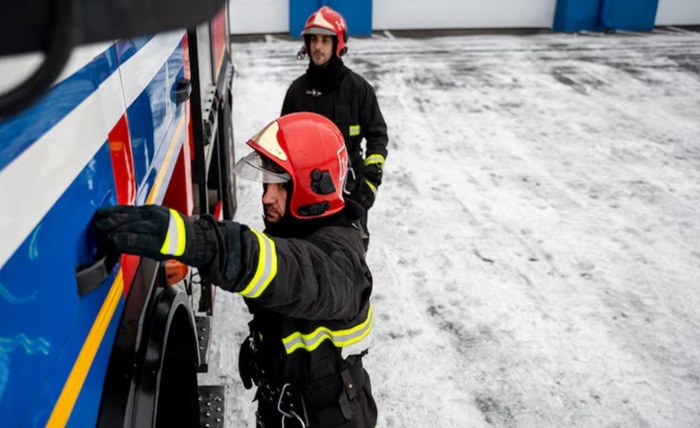
Your fire alarm goes down. Or the sprinkler system gets shut off for a repair that was supposed to take a day and now says Thursday. Either way, the building is suddenly running on luck, and luck is a terrible thing to insure. It happens more than owners expect: a panel upgrade, a dead control board, a contractor who clips the wrong line, the city closing a water main for the weekend. Professional fire watch services cover that gap. Trained people walk the property, look for heat and smoke, and keep everyone safe until the real protection is back.
Fundamentals of Emergency Monitoring and Compliance
Think of a fire watch as a person standing in for your detection system. When the alarm or suppression setup is offline, most municipal codes give you two choices: clear the building, or put eyes on it continuously. Evacuating shuts down your operation. Visual monitoring lets you keep the doors open while still meeting code and satisfying your insurer.
Core Duties of On-Site Monitors
A good monitor is very systematic and even boring in his or her process because that is what is expected. Monitors inspect all places in the building; they not only inspect the lobby and hallways but also the mechanical room, the basement, utility corridors, and storage spaces that one would never enter except when there is a problem.
The Mechanism of Rapid Incident Response
An automated system pings a monitoring station and waits for someone to react. A human on site doesn’t wait.
Operational Guidelines for Implementing Temporary Safety Patrols
Coverage gaps between shifts are where these setups fall apart, so plan the whole thing before the first patrol starts.
Site Assessment & Hazard Identification
│
▼
Establishment of Fixed Patrol Routes
│
▼
Logbook & Incident Escalation Protocol Setup
│
▼
Continuous Monitoring & Equipment Inspections
│
▼
System Restoration & Official Demobilization
│
▼
Document Archival for Compliance Audit
Establishing Patrol Routes and Inspection Schedules
Walk the building first. Map every square foot the outage affects, then build a route that hits all of it on a set loop, usually every 15 to 30 minutes. Where you land in that range depends on what’s inside A quiet office floor can sit near the 30-minute end. A place with heavy occupancy or real hazards can’t.
Standard Documentation Practices
Documentation goes hand-in-hand with the job, and not something you do at the end, and the documentation must withstand scrutiny. The documentation has to have the name and credentials of the person monitoring.
Key Considerations and Common Execution Pitfalls
Most fines and failed inspections trace back to a handful of avoidable mistakes.
Avoiding Common Operational Mistakes
The biggest one is handing the job to someone who already has a job. Maintenance staff, the front-desk guard, whoever’s nearby. It looks like a savings and it isn’t, because a person juggling work orders and visitor sign-ins will skip a round. A fire watch has no other duties during the shift. None.
Then there are the spaces people skip. The empty suite at the end of the hall. The attic access. The back stairwell. Electrical fires love exactly those places, since nobody’s around to smell the problem.
Transitioning Back to Primary Protection
Don’t stand the watch down because a repair tech says “you’re good.” Verbal word means nothing. Coverage stays in place until the alarm or sprinkler system passes formal testing, gets certified, and the local code enforcement office signs off on returning to normal operations. Only then does the fire watch end.
System downtime is a stretch of real exposure for your building and the people in it. Bringing in qualified fire watch services keeps you compliant, keeps the business running, and keeps someone looking at the building for the whole time the systems can’t.