
Pneumatic systems in practical application are a common sight in every industry because machines and tools can be operated using compressed air. These systems are also extremely efficient and dependable. This makes their operation essential in automated industries. During the article, we cover examples of graphic depiction of pneumatic systems working along with how their implementers demonstrate use of the industrial automation solution provider’s software to enhance them. In this article, we will explore real-world examples of pneumatic systems in action and demonstrate how an industrial automation solution provider can help implement these systems to optimize operations. To meet the requirements for new emerging technologies, systems, and services in new industries and markets, semi-skilled workers can be depended upon. Automation and efficiency can not be overstated so it comes as no shock these systems are a must-have in modern industrial processes and manufacturing.
Pneumatic Systems in Manufacturing
In the manufacturing sector, pneumatic systems are widely adopted in powering equipment such as robotic arms, conveyor belts, and assembly lines. These systems can provide both high force and rapid motion which is ideal for repetitive processes like assembly, sorting, or packaging. Pneumatic actuators are used in moving production line parts, material handling and performing clamping and fastening tasks. The speed as well as the reliable nature of pneumatic systems help in ensuring that production lines operate without major problems and effectively. Pneumatic tools, which include impact hand wrenches and hoists, are basic tools in the automotive industry, where they are used to rapidly build the automobiles. By ensuring that compressed air is used, the tasks are done accurately while downtime is kept at a minimum. Pneumatic systems also provide dependable lifting forces for heavy components, ensuring effective and safe operations on the shop floor. A good industrial automation solution provider will assist the companies to integrate those systems into their business processes to boost productivity, enhance safety, and reduce operational costs. Because of their effectiveness on many processes, pneumatic systems have become an integral part of the modern manufacturing system, enabling automation of the processes.
Pneumatic Systems in Packaging
The automation of several processes in the packaging of products which includes filling, sealing, and labeling is possible due to the extensive application of pneumatic systems in the industries. They make high-speed processes achievable and maintain accuracy, which is what the packaging industry needs. The structure of pneumatic cylinders makes them responsive and precise. This ensures that high volume packaging operations are carried out with ease and that the products are securely packaged. In the pneumatic system example pertaining to food packaging, the system manages delicate products (e.g. bottles, bags, and cartons). In contrast to hydraulic systems, pneumatic cylinders are not contaminated for oils and other chemicals. The cleanliness, as well as the contamination free nature of pneumatic systems, renders these systems to be perfectly suited for areas that require extreme cleanliness, especially the food and pharmaceutical industries. With the automation of these operations, companies can enhance the packaging speed, consistency, and safety. A provider of industrial automation construction services can help companies devise and implement custom pneumatic systems for their specific packaging requirements, thus reducing costs and improving operational efficiency.
Pneumatic Systems in Material Handling
They are crucial in facilitating the movement of material across industries. Their basic role is to enhance productivity in the workplace by automating the transportation of materials so that manual labor is kept to a minimum. One of the most cost-effective ways of performing material handling is by using the pneumatic system. Pneumatic systems are utilized over long distances with low energy consumption. For instance, some food processors, those in the textile industry, and even pharmacies utilize pneumatically operated conveyors. These conveyors use compressed air to propel lightweight substances like plastics in powdered and granular form, or even liquid, through pipes. The effective functioning of these systems enhances productivity while lowering the necessity for sophisticated machinery, so through such processes, they reduce expenses for the companies. PMC systems can also be deployed for automated product movement in warehouses or distribution centers for improved accuracy while minimizing human-picked errors. In addition, these systems enable quick and precise delivery of products without any manual interference. As a result, delicate items can be easily transported without damage. With the aid of a provider of industrial automation solutions, businesses can create and integrate the above mentioned systems into the facilities without compromising safety while minimizing operational costs.
Pneumatic Systems in Robotics and Automation
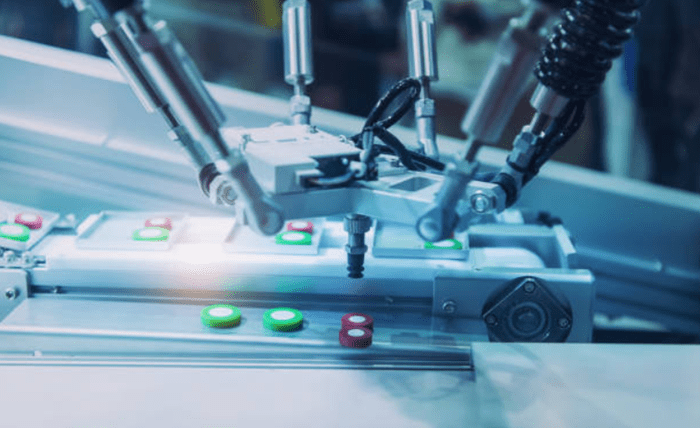
The robotics and automotive industries utilize pneumatic systems for movements like grasping, lifting, and exact placement of components by automated arms and machines. Maintenance tasks or inspections, assembly, and sorting are only a few examples of operations that need precision and speed that pneumatic actuators provide. In pick-and-place robotic systems used in the electronics industry, these robots grab the electronic parts and set them on the printed circuit boards. Sophisticated systems of pneumatic cylinders allow the components to be placed with great accuracy without any damage. For testing and inspection of the products, pneumatic systems are also helpful to ensure that the set standards for quality output is achieved before it goes out for delivery. The contribution of these systems in the robotic applications not only increased efficiency and accuracy in the diverse tasks performed in factories, but also reduced the costs linked with human labor as well as resulted in more uniform products. Through collaboration with an industrial automation solution provider, companies can effectively integrate pneumatic systems into their automation and robotics systems, leading to greater efficiency, reduced errors, and increased productivity. Enhanced productivity and minimized outages in the production line are achieved through incorporating pneumatic units in the automated machines.
Conclusion
The use of compressed air as a power source for modern tools and machines makes pneumatic systems pivotal for logistics in many industries. Pneumatic systems serve the manufacturing and packaging as well as the material handling and construction industries by automating essential processes in a dependable and budget-friendly manner. Pneumatic systems in automotive manufacturing and food packaging robotics are just some of the systems that illustrate their contributions in productivity and safety in various industries. Through collaboration with a competent industrial automation system supplier, businesses are able to incorporate pneumatic systems into their processes to achieve optimum efficiency and productivity. As the industry progresses, so does the need for pneumatic systems as a tool for automation. Because pneumatic systems are automation-ready, they have virtually become the backbone of manufacturing processes wherein productivity, safety, and reliability is required.