
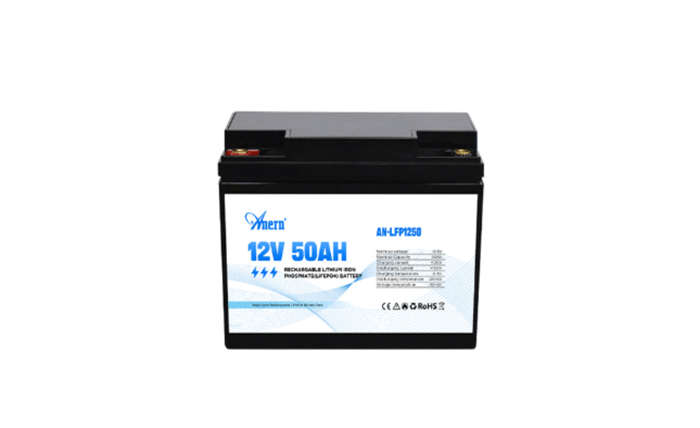
In today’s volatile energy landscape, businesses face unprecedented challenges with power reliability and escalating costs. From manufacturing facilities to data centers, unexpected outages and inefficient energy storage solutions can result in substantial financial losses and operational disruptions. Enter lithium 12V battery technology – a game-changing innovation that’s revolutionizing how businesses approach energy storage and backup power systems. Unlike traditional solutions, these advanced batteries offer exceptional longevity, superior performance efficiency, and sustainable operation, all while significantly reducing long-term operational costs. By implementing lithium 12V battery systems, organizations can achieve up to 70% reduction in battery-related maintenance expenses while ensuring uninterrupted power supply for critical operations. This transformative technology not only addresses immediate energy reliability concerns but also positions businesses for a more sustainable and cost-effective future in an increasingly energy-dependent world.
The Business Energy Crisis: Why Traditional Batteries Fall Short
Businesses across industries are grappling with significant energy storage challenges that traditional battery solutions struggle to address. Lead-acid batteries, long considered the standard for commercial applications, require frequent replacements every 2-3 years, creating substantial ongoing maintenance costs. Manufacturing facilities report critical equipment shutdowns during battery failures, while data centers face reliability issues during peak demand periods. These disruptions can cost businesses thousands of dollars per hour in lost productivity. Traditional batteries also suffer from performance degradation in extreme temperatures, limited depth of discharge capabilities, and declining capacity over time. A medium-sized warehouse typically spends 15-20 hours monthly on battery maintenance alone, with unexpected replacements forcing operations to halt abruptly. The financial impact extends beyond direct replacement costs – businesses must account for labor hours, disposal fees, and potential revenue losses during system transitions. This perfect storm of reliability issues, maintenance burden, and operational disruptions highlights the urgent need for more advanced energy storage solutions in modern business environments.
Lithium 12V Battery Technology Demystified
At the heart of modern energy storage solutions lies lithium-ion chemistry, which revolutionizes how businesses manage power. Leading manufacturers like Anern have pioneered advanced lithium iron phosphate (LiFePO4) cells, offering superior energy density and stability. The integrated Battery Management System (BMS) serves as the brain of the operation, continuously monitoring cell voltage, temperature, and current flow to prevent overcharging and ensure optimal performance. Sophisticated thermal control systems maintain ideal operating conditions through a network of sensors and cooling mechanisms, enabling consistent performance across diverse environments. The voltage regulation capabilities of lithium technology maintain steady 12V output even under heavy loads, eliminating the voltage sag common in traditional batteries. This stable power delivery is crucial for sensitive equipment and continuous operations. The compact design achieves up to 50% space reduction compared to lead-acid equivalents, making them ideal for businesses with limited installation space. Advanced cell architecture allows for parallel configuration without performance degradation, enabling scalable solutions that grow with business needs. This combination of intelligent management, thermal efficiency, and space optimization represents a significant leap forward in commercial energy storage technology.

Maximizing Battery Cycle Life for Long-Term Savings
In commercial applications, battery cycle life represents the number of complete charge-discharge cycles a battery can undergo before its capacity falls below 80% of its original rating. While traditional lead-acid batteries typically deliver 300-500 cycles, lithium 12V batteries consistently achieve 3,000-5,000 cycles under normal operating conditions. This dramatic difference translates to significant long-term cost benefits for businesses. Proper maintenance practices, including keeping batteries within optimal temperature ranges and avoiding extreme depth of discharge, can extend cycle life even further. Regular monitoring of cell voltage balance and implementing smart charging protocols helps prevent premature degradation. A comprehensive ROI analysis reveals that despite higher initial costs, lithium batteries reduce total ownership expenses by up to 60% over five years through eliminated replacement cycles and reduced maintenance requirements.
Case Study: Warehouse Logistics Implementation
A major distribution center’s transition to lithium 12V batteries in their forklift fleet demonstrates these benefits in action. After converting 20 forklifts from lead-acid to lithium batteries, the facility reduced maintenance hours from 30 hours weekly to just 2 hours. The elimination of battery watering, terminal cleaning, and frequent replacements resulted in annual labor savings of $42,000. The investment reached break-even in 28 months, with projected savings of $180,000 over five years when accounting for reduced downtime and increased operational efficiency.
Sustainable Energy Storage Solutions for Eco-Conscious Businesses
The environmental impact of energy storage solutions has become a critical factor for businesses pursuing sustainability goals. Lithium 12V batteries demonstrate superior environmental performance, reducing carbon emissions by up to 80% compared to traditional lead-acid alternatives throughout their lifecycle. These advanced systems produce significantly lower greenhouse gas emissions during manufacturing and operation, with a carbon footprint of just 2.3 kg CO2e per kWh capacity versus 5.1 kg CO2e for lead-acid batteries. Modern lithium batteries achieve impressive recyclability rates exceeding 95%, with specialized recycling facilities recovering critical materials for reuse in new battery production. Their seamless integration with renewable energy systems enables businesses to maximize solar and wind power utilization, storing excess energy for use during peak demand periods. Organizations implementing lithium battery systems report improved Environmental, Social, and Governance (ESG) scores, meeting increasingly stringent compliance requirements while attracting environmentally conscious investors and customers. This technological advancement supports businesses in achieving their sustainability targets while maintaining operational efficiency, creating a win-win scenario for both environmental stewardship and bottom-line performance.
Performance Showdown: Lithium 12V vs Deep Cycle Alternatives
When comparing lithium 12V batteries against traditional deep cycle alternatives, the performance advantages become immediately clear through measurable metrics. Lithium batteries consistently maintain 80% depth of discharge without degradation, while lead-acid alternatives typically limit at 50% to prevent premature failure. In extreme temperature testing, lithium systems demonstrate remarkable resilience, operating efficiently from -20°C to 60°C, whereas lead-acid batteries experience up to 50% capacity reduction at temperature extremes. The weight-to-energy ratio particularly stands out – lithium batteries deliver four times the energy density, weighing just 12.8kg compared to 50kg for equivalent lead-acid units. Real-world testing in commercial refrigeration units reveals that lithium batteries maintain stable voltage throughout their discharge cycle, ensuring consistent cooling performance. Under identical loads, lead-acid batteries show significant voltage sag after 60% discharge, potentially compromising critical operations. During peak demand scenarios, such as simultaneous operation of multiple refrigeration compressors, lithium systems consistently deliver full rated power without voltage fluctuation, while deep cycle alternatives exhibit up to 20% power reduction. This performance disparity becomes particularly evident in cold storage facilities, where temperature stability is paramount for inventory protection.
Implementing Lithium 12V Batteries: Step-by-Step Business Adoption
Successful implementation of lithium 12V battery systems begins with a comprehensive energy audit to establish baseline power requirements. During Phase 1, businesses should document peak load periods, identify critical equipment power draws, and analyze current energy consumption patterns across different operational times. Energy monitoring devices installed at key points help create detailed load profiles, essential for accurate system sizing. Phase 2 focuses on right-sizing battery banks, where businesses calculate required capacity including a 20% buffer for future expansion. This phase involves evaluating parallel configuration options and determining optimal battery placement for thermal management. Phase 3 addresses the installation approach, weighing retrofit possibilities against new system deployment. Retrofit solutions typically require integration with existing electrical infrastructure, while new installations offer opportunities for optimized system architecture. Phase 4 implements sophisticated monitoring systems, including remote battery health tracking, performance analytics, and predictive maintenance alerts. When selecting vendors, businesses should evaluate technical support capabilities, warranty terms, and installation expertise. Key criteria include vendor experience with similar installations, response time guarantees, and availability of replacement parts. Integration testing should verify system performance under various load conditions before full deployment.
Powering the Future: Strategic Advantages of Advanced Battery Technology
The transition to lithium 12V battery technology represents a pivotal shift in how businesses approach energy storage and management. These advanced systems deliver unmatched reliability through superior cycle life and consistent performance, while simultaneously supporting corporate sustainability initiatives through reduced environmental impact. The compelling financial case becomes clear when considering the dramatic reduction in maintenance requirements, eliminated replacement cycles, and improved operational efficiency across diverse business environments. Organizations implementing lithium battery solutions today position themselves at the forefront of energy innovation, ready to meet evolving power demands and regulatory requirements. To begin your energy transformation journey, start with a comprehensive power audit to understand your specific needs and potential savings. As battery technology continues to advance, expect further improvements in energy density, charging speeds, and integration capabilities, making early adoption an increasingly strategic advantage. The future of commercial energy storage is here – businesses that embrace this technology now will enjoy sustained competitive advantages in an increasingly energy-dependent marketplace.