
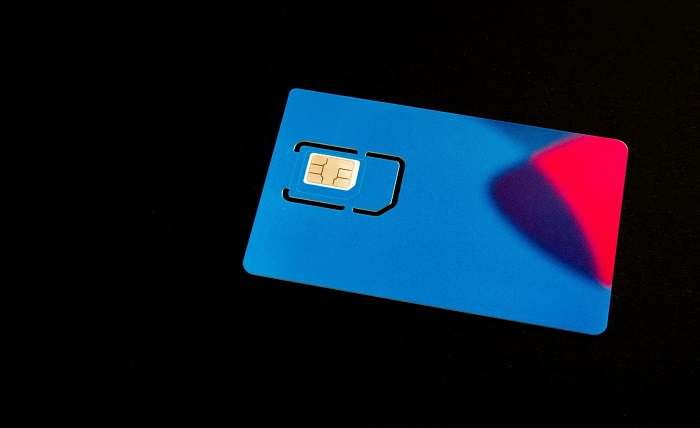
Your smartphone is not just a communication tool. It is a digital wallet, bank branch, and ID all in one. In the Philippines, more people are turning to mobile banking for everything from bill payments to loan applications. While this shift brings incredible convenience, it also demands stronger protection.
SIM registration plays a key role in keeping financial transactions safe. Without it, scammers can take control of unregistered or fake numbers, intercept one-time passwords (OTPs), and gain access to bank accounts. That’s not just a data leak — it’s someone draining your hard-earned savings while you sleep.
This concern extends beyond traditional banking. Whether you’re sending money, shopping online, or placing bets in a mines game real money, your mobile number is central to verifying your identity. If that number isn’t registered, your entire digital activity becomes more vulnerable to fraud.
The Link Between SIM Registration and Mobile Banking Security
Mobile banking depends on identity verification. Every time you reset a password or make a high-value transaction, your mobile number helps confirm that it’s you. But if the number isn’t tied to a verified identity, the system becomes easy to trick.
That’s where SIM registration comes in. When users link their name and ID to a mobile number, it becomes far harder for bad actors to misuse that number. Banks, telcos, and e-wallets gain more confidence in the legitimacy of the account holder. This improves fraud detection and speeds up the process.
Common Risks When SIMs Are Unregistered
When SIM cards remain unregistered, they expose users to several security risks that can impact mobile banking and personal data safety. Knowing these dangers helps you understand why registration is essential:
- SIM swapping attacks: Criminals convince telcos to transfer your number to a new card. This gives them access to OTPs and verification messages.
- Fake identity creation: Fraudsters may use multiple unregistered SIMs to open bank or e-wallet accounts with false credentials.
- Missed fraud alerts: If your number isn’t properly linked to your name, banks may not flag suspicious transactions in time.
- Weak recovery options: Recovering lost access to bank apps becomes much harder without a verified number.
- Phishing and malware links: Scammers often send links that seem legitimate but lead to account compromise. They tend to use untraceable numbers.
Registering your SIM reduces these risks and helps secure your financial transactions. This simple step strengthens your control over your digital identity and money.
SIM Registration as a First Line of Defense
Think of SIM registration as your lockscreen’s PIN — not the only security layer, but a critical one. For financial apps, your number is often the main recovery method and the easiest way to confirm identity.
Once registered, your number becomes part of a verified network. This reduces the number of “ghost” accounts in circulation and allows banks to detect anomalies faster. For example, if a registered SIM suddenly makes high-risk transfers from an unfamiliar device, alerts are triggered. Without registration, those alerts might never come.
Challenges in the Philippines
Despite the rollout of mandatory SIM registration, implementation still faces hurdles. Many Filipinos struggle with:
- Limited access to IDs: Some citizens don’t have government-issued identification.
- Digital illiteracy: Not everyone is familiar with the registration process.
- Weak telco support: Some mobile providers still experience delays in verifying or updating registration data.
These issues leave gaps that fraudsters can exploit. Bridging them means pushing for more accessible digital literacy campaigns, faster customer service, and broader ID issuance programs.
Why It’s Worth the Effort
Registering your SIM isn’t just about following the law — it’s about keeping your financial life intact. The rise of mobile banking in the Philippines means more people now rely on their phones for storing, sending, and receiving money. A single breach can have long-term consequences.
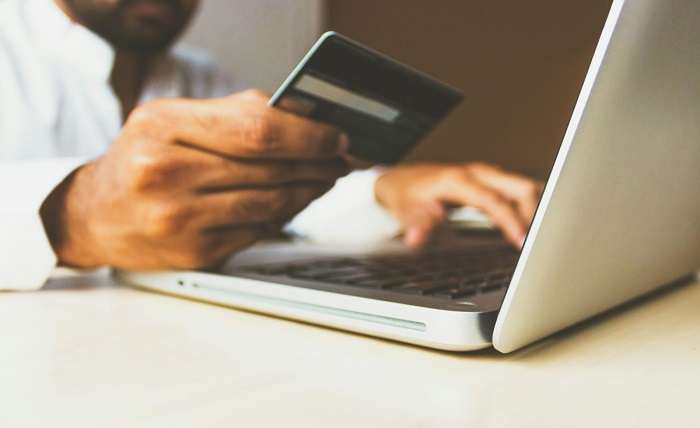
SIM registration adds accountability. If a number is misused, authorities can trace it back to an identity. That deters cybercriminals and supports faster resolution for victims.
SIM Registration and Your Digital Safety
Mobile banking gives Filipinos more freedom and flexibility — no need to wait in long lines or travel to faraway branches. However, this convenience requires strong security measures. Registering your SIM is a simple yet essential step that helps protect your money, identity, and online presence.
Before using new banking apps or services, ensure your SIM registration is up to date to keep your accounts safe and accessible.